Portfolio 2025

SeanNewman.

Graphic and intraction designer working from Brisbane, building experiences that are profoundly human.

Read
Part OneFour Selected Works

What follows are four case studies from the past three years — written in the order they were made, not ranked. Each one is a small argument about how a brand should feel before it decides how to look.

01Wearable UI · Health

Arcadia.

2024Case Study № 01
Hand wearing Apple Watch with Arcadia app
Problem

Patients recovering from muscle injuries struggle to maintain correct, consistent home rehabilitation. Paper handouts go unread. Generic reminder apps offer no clinical guidance. State-of-the-art rehabilitation schemes remain costly and without widespread availability — leading to sub-optimal healing, higher re-injury risk, and avoidable clinic visits that take up both patients' and specialists' time.

Process

Stakeholder mapping revealed a broad web of people connected to at-home rehabilitation — from 50+ adults with rotator cuff injuries to physiotherapists, surgeons, and clinical researchers. A key early learning: home rehabilitation doesn't need to isolate the patient. Designing for connection, not just compliance, became the guiding principle for the application's architecture.

Outcome

Arcadia is a gamified Apple Watch UI built around a city-building progression loop and haptic feedback. A retro-inspired 3D identity — across Figma, Blender, and Photoshop — brings personality to the app without sacrificing the readability essential for an audience aged 50 and over. Every interaction point was made large and deliberate.

The mode of engagement did not need to isolate the patient.
02Packaging Design · 3D

AIAIAI TMA-2.

2025Case Study № 02
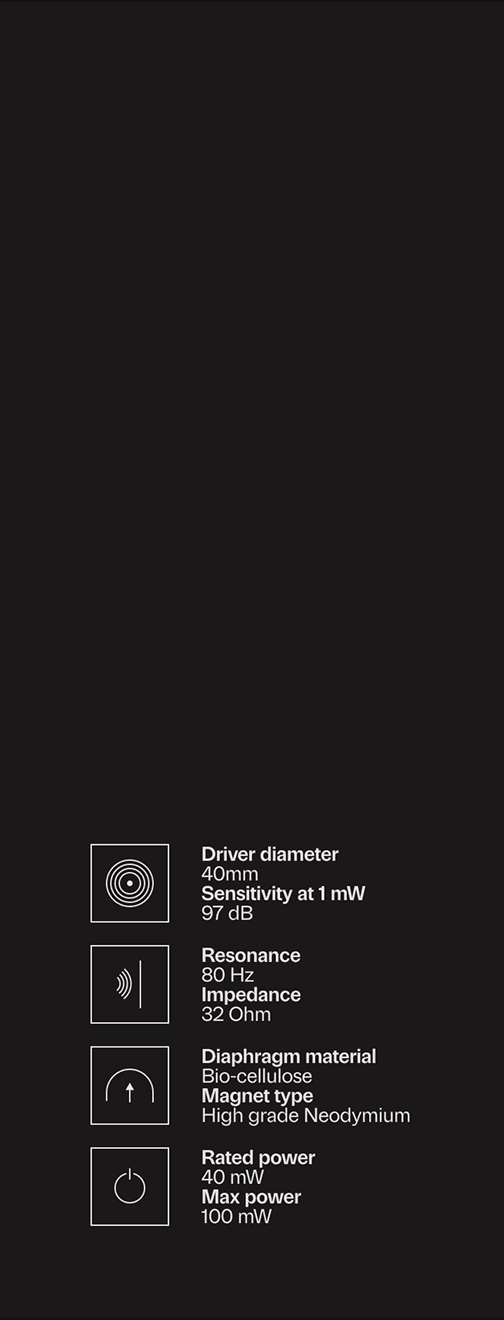
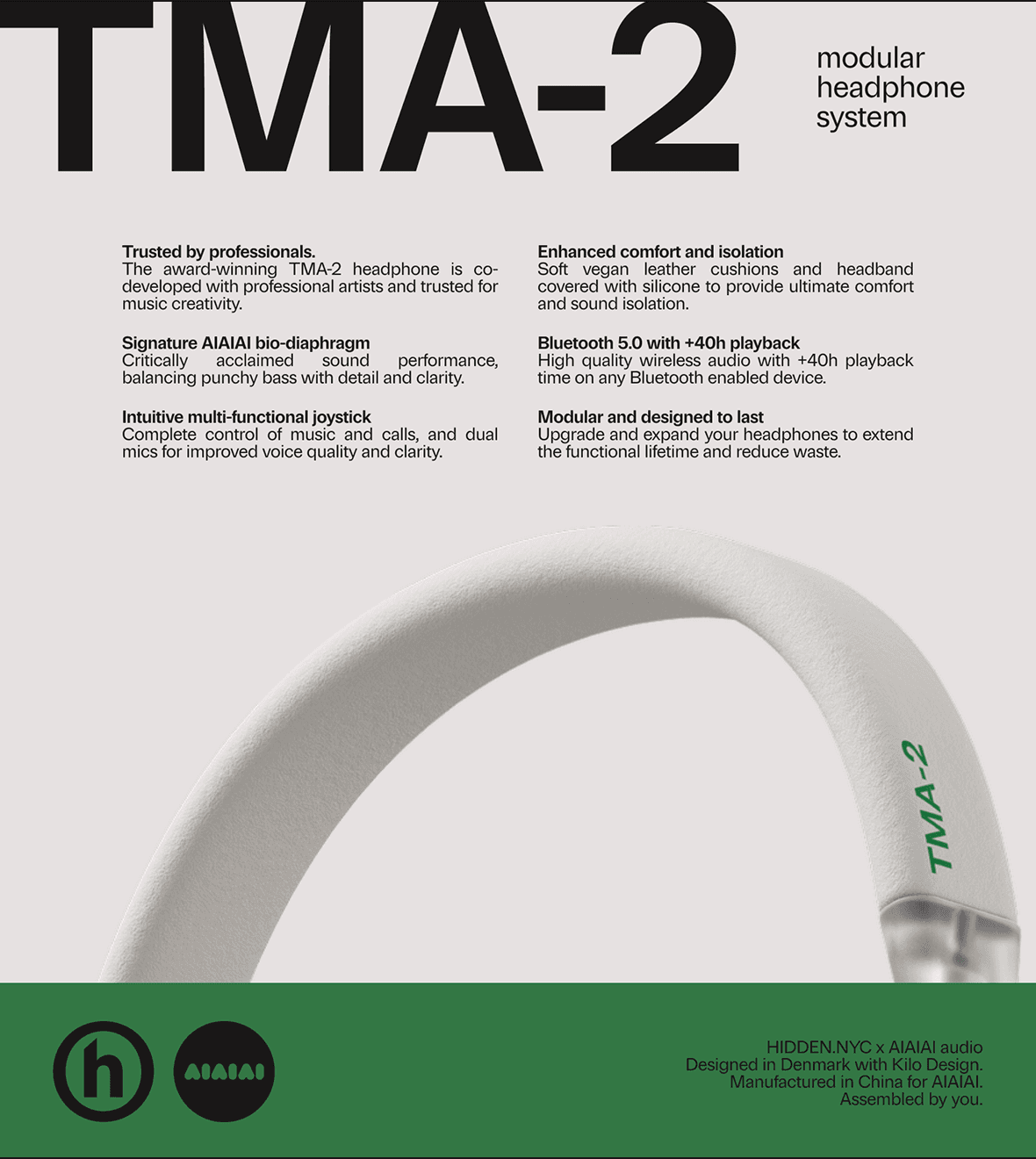
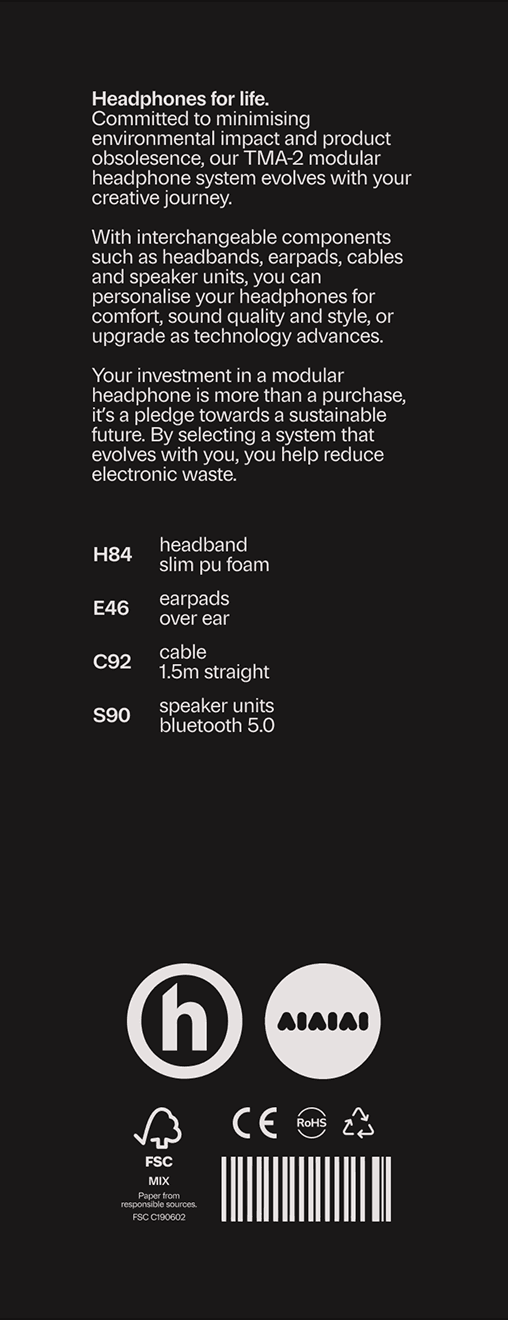
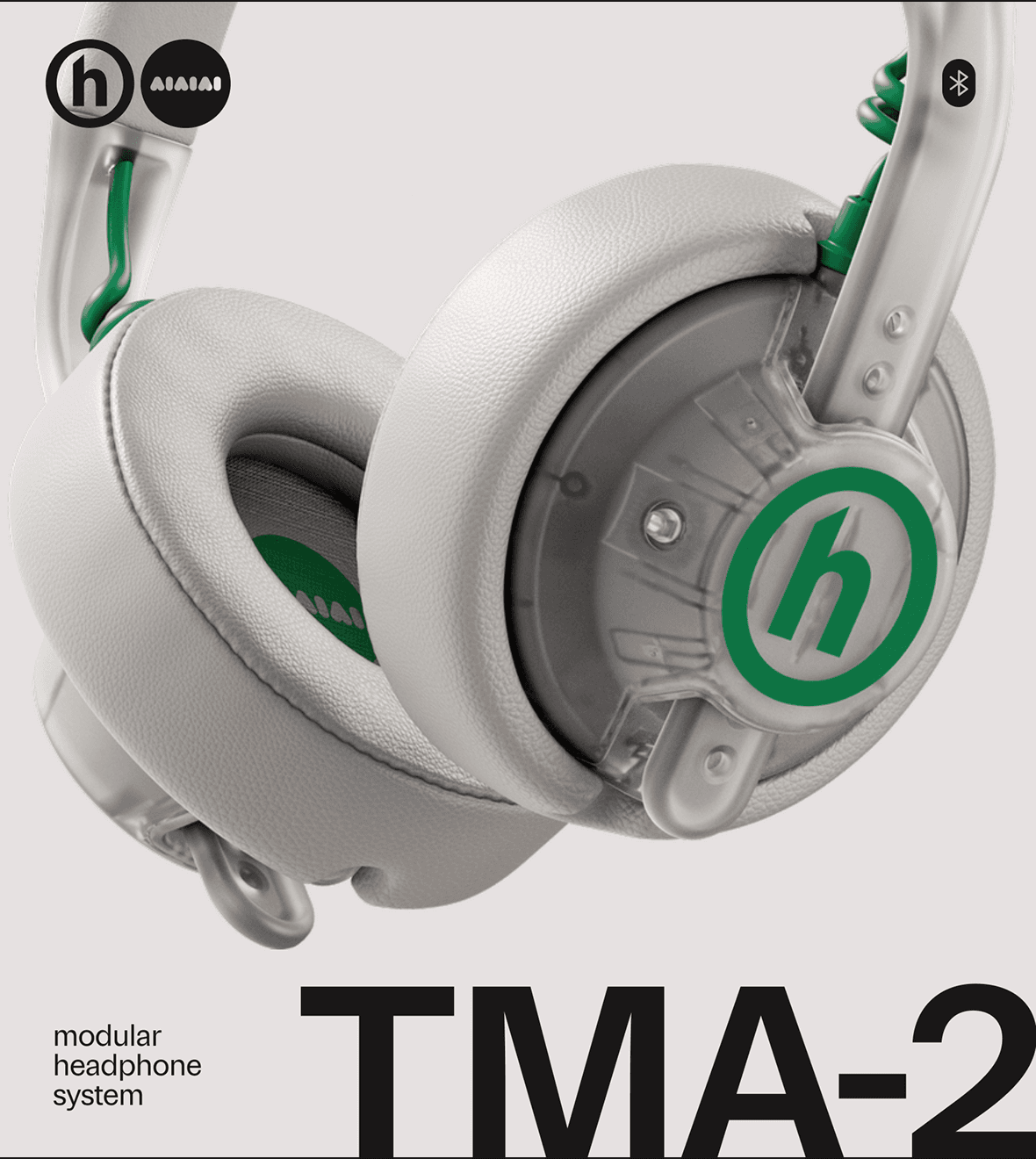
Final packaging renders produced in Blender and composited in Photoshop, 2025.
Problem

AIAIAI promotes the TMA-2 headphones with sustainability as a key feature. The original packaging contradicted that claim outright — several single-use soft plastic bags, no compartmentalisation, no sense of considered structure. The inner layout left a first impression at odds with the premium-adjacent product inside.

Process

Research began with a close analysis of AIAIAI's brand identity and the wider headphone packaging landscape. Material choices transitioned from recycled plastic toward inherently biodegradable alternatives — high-density cardboard and cellulose foam. The guiding principle: sustainability by design, not by instruction. The user should never need to consult a recycling guide.

Outcome

A luxury packaging overhaul modelled in Blender and finalised in Photoshop. The new design uses fully biodegradable materials, creates a more intuitive unboxing flow, and celebrates the modular 'DIY' character of the TMA-2 — making the packaging feel as considered as the product it contains.

Rather than relying on the user to follow recycling guides, the materials are sustainable by design.

03Mobile App · Interaction

Nestly.

2023Case Study № 03
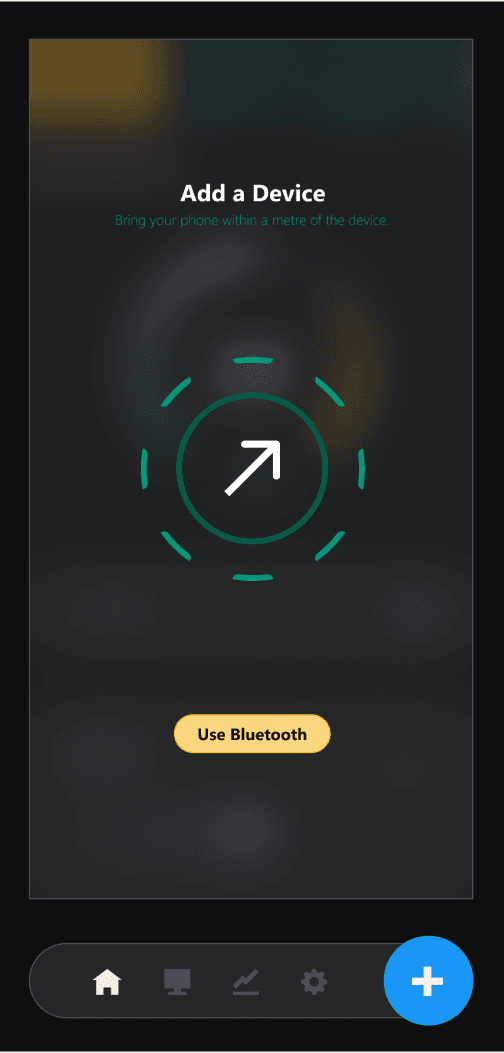
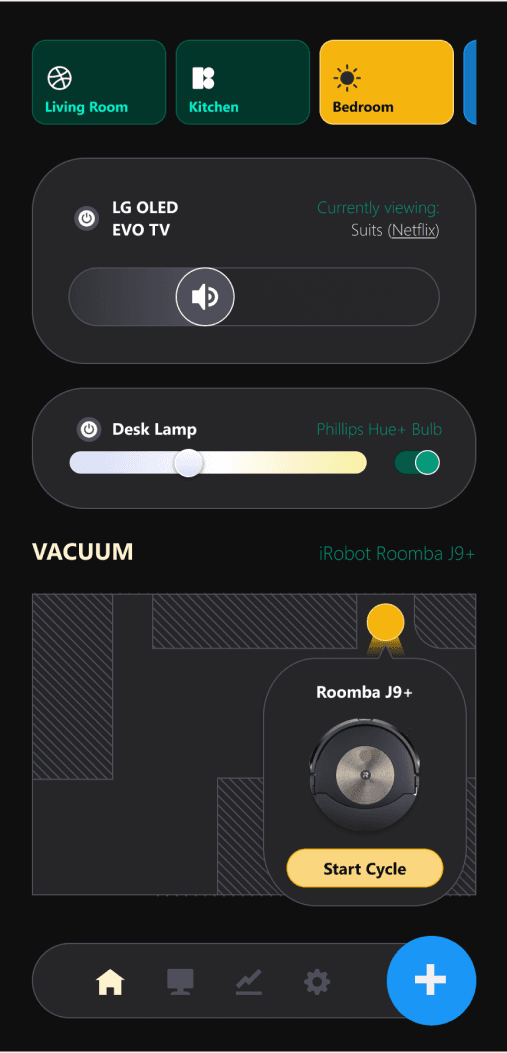
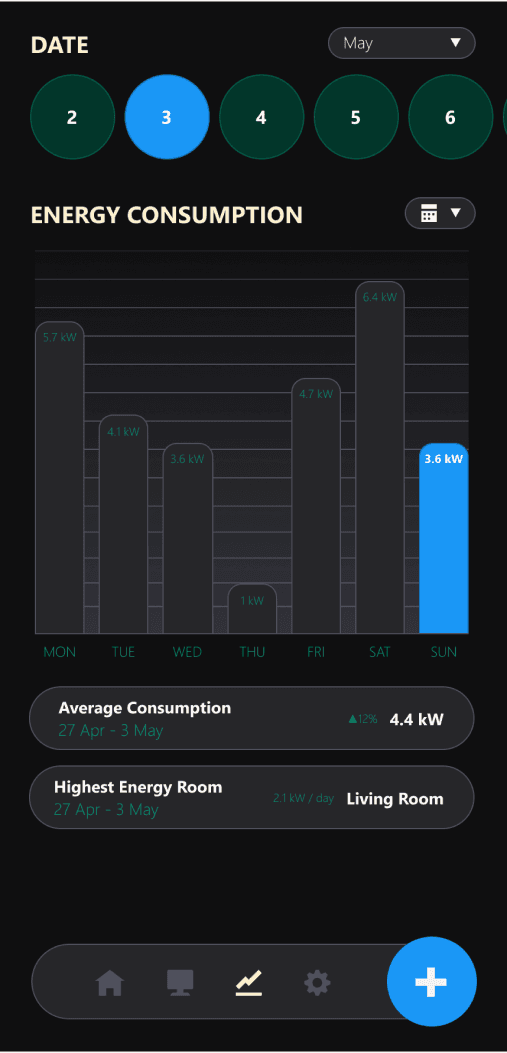
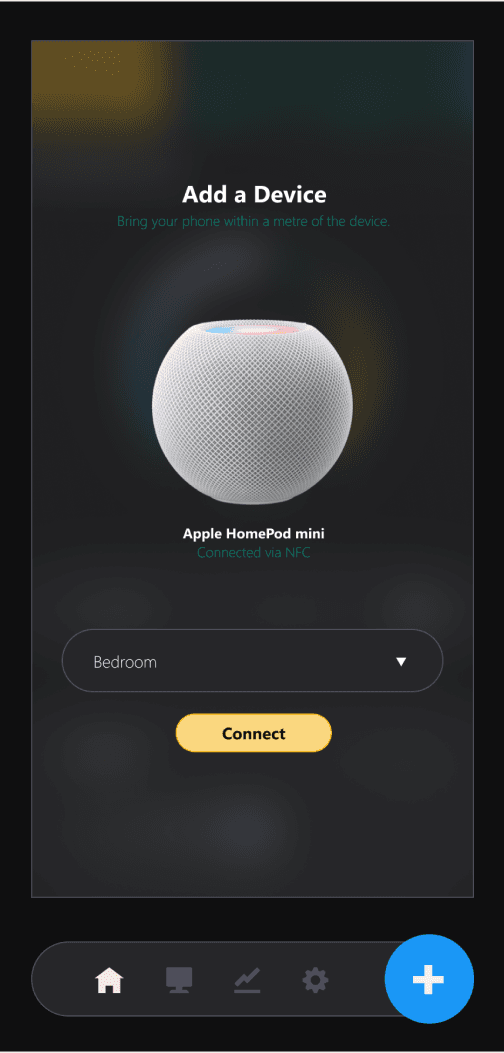
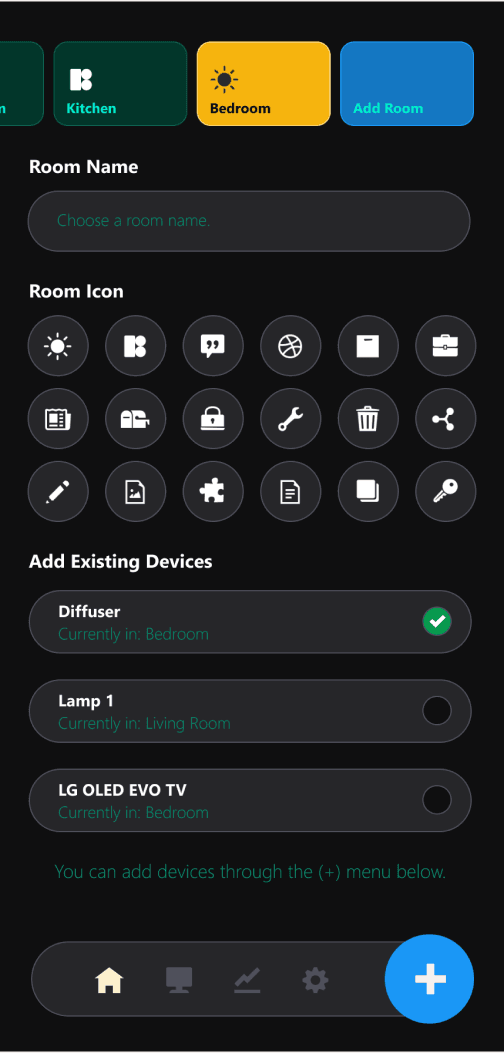
Room-based navigation — Figma prototype, post-usability testing revision, 2023.
Problem

Existing smart home apps are overwhelming, technical, and compartmentalised — the opposite of the home they claim to simplify. The number of devices, competing ecosystems, and disjointed interfaces take away from the very efficiency smart home products promise, and do not reflect the natural, room-based way people actually live.

Process

User interviews mapped pain points with existing solutions — from confusing device onboarding to unclear navigation hierarchies. A critical insight emerged: the app's navigation needed to follow the structure of a home, not the logic of an app. Splitting controls by room rather than by function resolved the confusion immediately in usability testing.

Outcome

Nestly is a smart home mobile app navigated by room rather than by product category. Device onboarding, energy management, and room configuration are each accessible within the user's existing mental model of their own home — making complex automation feel intuitive for the first time.

The boundary that needed to be drawn was between the user's lived environment and the app's navigation.

04Desktop Software · AI

Compendium.

2026Case Study № 04
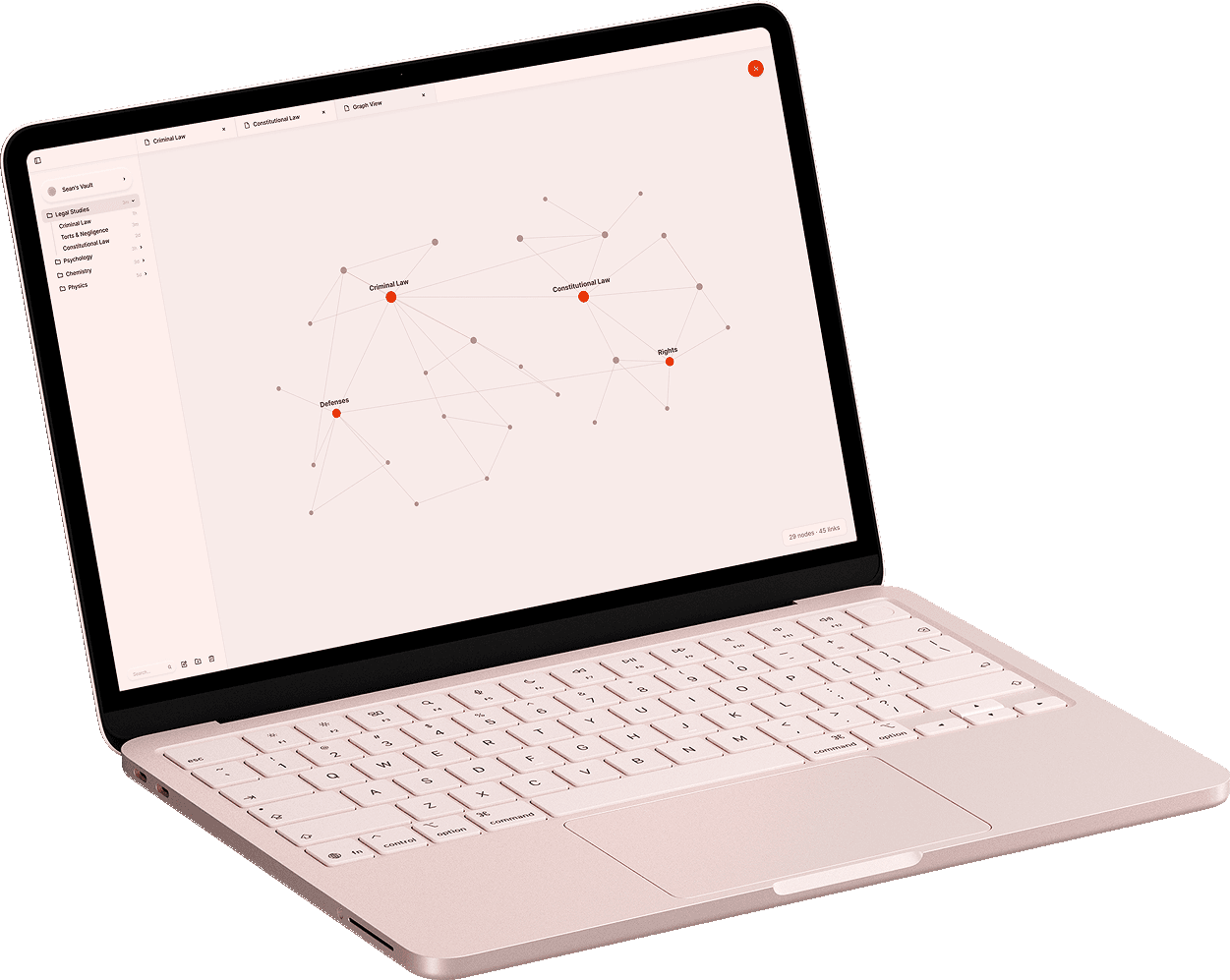
Final interface — the three-panel layout and dynamically generated knowledge graph, 2026.
Problem

Most notetaking apps contradict their own purpose — cluttered, feature-heavy, and distracting. The ideal knowledge base is unobtrusive and efficient, with features integrated only to compliment the user's own thinking rather than compete with it.

Process

Two constraints shaped every decision: the interface had to mentally disappear while writing, and the graph had to feel like discovery rather than a chore. The three-part structure — find a note, write in it, see how it connects — was arrived at by mapping the core user loop. Each panel does exactly one thing, and none intrudes on the others.

Outcome

Compendium is a desktop notetaking application built in Java with a local QWEN LLM that identifies keywords and concepts across notes, dynamically generating a knowledge graph. Running the model locally ensures complete privacy — the user's knowledge base, and the intelligence that organises it, stays entirely on their machine.

The interface had to mentally disappear while writing, and the graph had to feel like discovery rather than a chore.

About &
Contact.

I’m an empathetic interaction designer who draws inspiration from the everyday ways people navigate their physical and social environments, translating these into intuitive, purposeful digital experiences. My practice is grounded in continuous learning and a genuine curiosity about people — collaborating with multidisciplinary teams to craft work that is considered, lasting, and human-centred.

© 2025 · Sean Newman
Built from scratch.